
From pre-1988 rent control collapses to modern policy reversals in New Zealand and Portugal, the UK’s rental market shows all the signs of repeating history — but this time, it looks intentional.
Is the UK Rental Market Being Crashed on Purpose? Lessons from History and Around the World
In 2026, landlords across the UK are asking the same question: is this really just bad policy — or is it by design?
With Section 21 set to be abolished in May, interest rates still elevated from 2022’s rapid hikes, and local authorities wielding aggressive enforcement powers through selective licensing, it’s no wonder private landlords are walking away from the sector in record numbers. Rents have nearly doubled in some areas, yet landlords are being portrayed as the problem.
This isn’t the first time Britain has seen its private rental market collapse under the weight of regulation. In fact, we’ve been here before — and history shows us exactly what happens next.
Prior to the Housing Act 1988, the UK’s rental market was strangled by layers of restrictive regulation:
The system became so unsustainable that entire streets fell into disrepair. Councils couldn’t cope. Tenants suffered as much as landlords.
It took the Housing Act 1988 — which introduced Assured Shorthold Tenancies and Section 21 — to revive the sector and make private letting viable again. For the next 30 years, the PRS grew to over 4.6 million households.
Now, that hard-won progress is being undone.Global Case Studies: When Regulation Backfires
The UK isn’t the only country to make these mistakes:
The pattern is clear: over-regulation leads to undersupply.
When you make letting properties high-risk and low-reward, small landlords disappear — and rents surge.
2022–2026: A Timeline of Controlled Demolition?
Let’s connect the dots:
All of this while Build-to-Rent corporations expand rapidly — backed by institutional finance and exempt from many local schemes.
Coincidence? Or coordinated?
Today, a landlord must:
Letting agents are leaving. Landlords are selling. Courts are jammed. Meanwhile, councils and housing campaigners pretend to be surprised.
We’ve seen this before. The 1970s-style collapse is being re-run — but now, it’s happening with legal aid costs, digital tax, and EPC requirements thrown in.
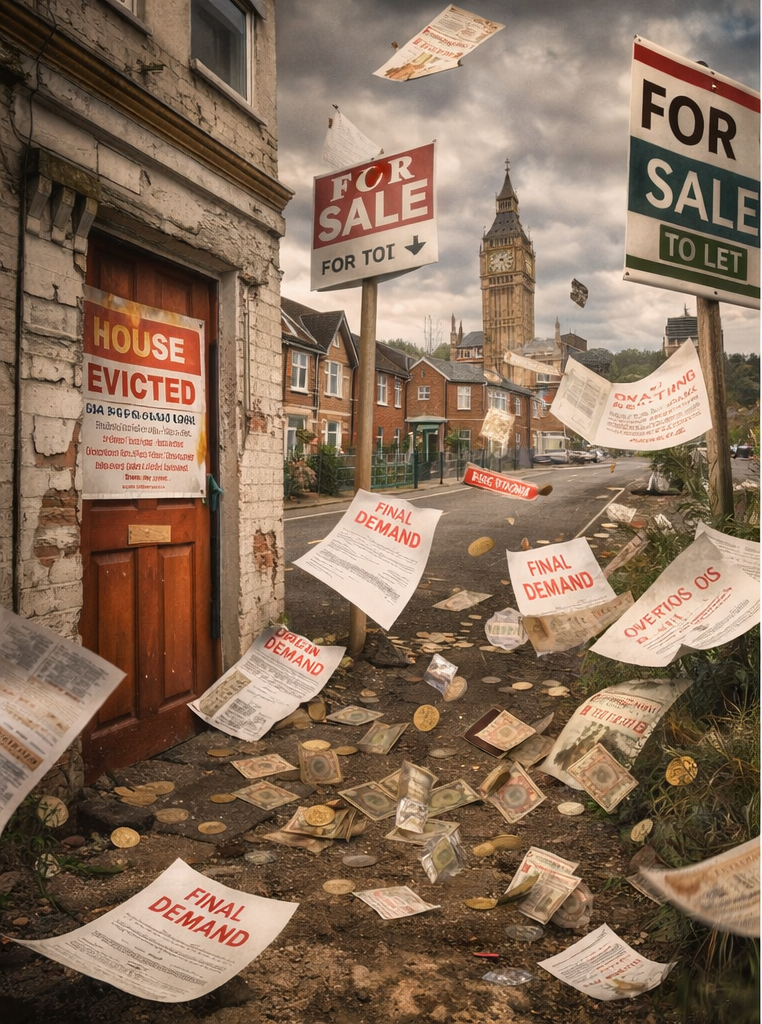
At FSC, we’ve seen landlords abandon projects mid-refurb. Others are keeping properties empty just to avoid tenant risk. Long-time landlords are calling it a day.
We’re not against reform — we support fairness for tenants and professionalism in the industry. But what we’re witnessing isn’t reform. It’s systemic sabotage of the PRS.
And just like in the 1980s, it’s going to take years — and a major U-turn — to fix.
There’s still time to change course. Other countries have. Will the UK?
Because when you demonise the people who provide housing, and then push them out, tenants lose too.
This isn't speculation. It’s history repeating itself — and this time, the fallout may be worse.
Need help navigating the 2026 changes?
Contact FSC Property today for legal advice, eviction support, and full compliance management.
info@fscproperty.com
Let’s protect your property — before it’s too late.
